The Long Game: How Hillary Clinton's 1990s Healthcare Crusade Became the Blueprint for the Affordable Care Act

The Long Game: How Hillary Clinton's 1990s Healthcare Crusade Became the Blueprint for the Affordable Care Act
History has a tendency to remember defeats in isolation, stripped of the context that makes them meaningful. Hillary Clinton's 1993–1994 push for universal healthcare — derided by opponents as "HillaryCare" and ultimately buried by a coordinated insurance industry campaign — is most often recalled as a cautionary tale about political overreach. That reading is not only incomplete; it is fundamentally wrong.
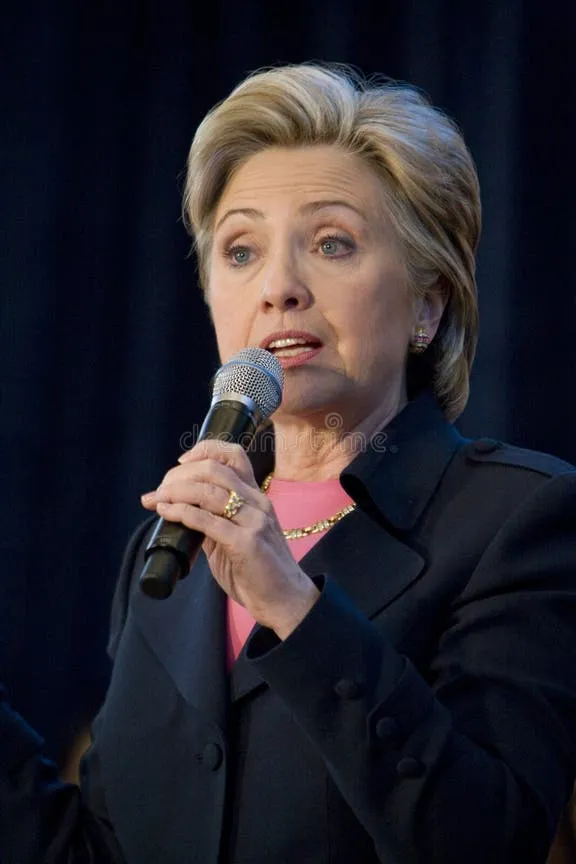 Photo: Hillary Clinton, via thumbs.dreamstime.com
What Clinton actually accomplished during those two years was something far more durable than any single piece of legislation: she planted the seeds of a policy revolution that would take sixteen years to fully bloom. When President Barack Obama signed the Affordable Care Act into law on March 23, 2010, the fingerprints of Clinton's earlier work were visible throughout the document.
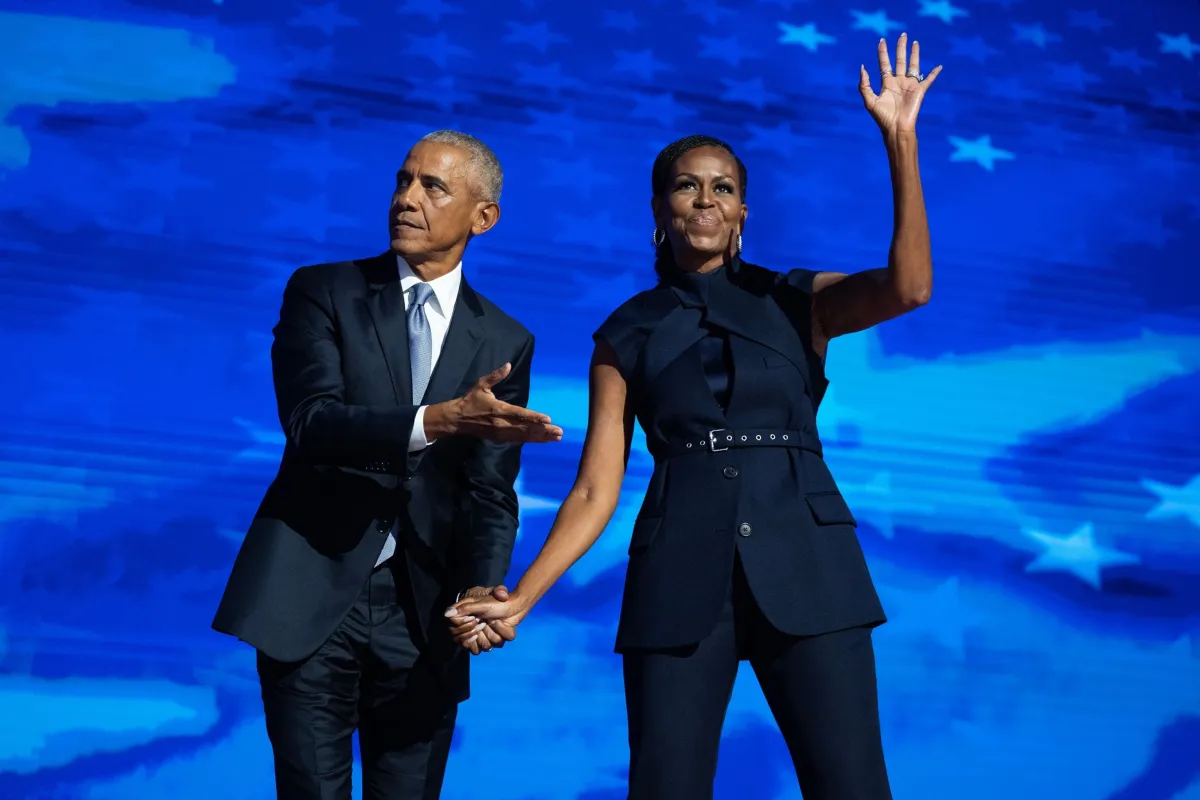 Photo: Barack Obama, via i.abcnewsfe.com
The Task Force and Its Lasting Architecture
In January 1993, President Bill Clinton appointed Hillary Clinton to chair the Task Force on National Health Care Reform — an unprecedented assignment for a First Lady and one that signaled both the administration's ambition and the political risks it was willing to accept. Over the following months, Clinton convened hundreds of working groups, consulting physicians, economists, patient advocates, hospital administrators, and state officials across the country.
The resulting proposal — the Health Security Act — was a sprawling, 1,342-page document that proposed universal coverage through a system of regional health alliances, employer mandates, and regulated insurance markets. It was architecturally complex, and that complexity became a liability in the political arena. But within that complexity lay ideas that proved remarkably prescient.
The concept of structured insurance marketplaces — where consumers could compare competing plans under standardized rules — became the direct ancestor of the ACA's health insurance exchanges. The employer mandate, requiring businesses above a certain size to provide coverage, survived in modified form in the 2010 law. Even the individual mandate, perhaps the ACA's most contested provision, traces its intellectual lineage to conservative and centrist alternatives that Clinton's team studied and, in some cases, incorporated into their thinking during the 1993 negotiations.
Building Coalitions That Outlasted the Defeat
The 1994 defeat did not dissolve the networks Clinton had spent two years constructing. Advocates, hospital systems, pediatric health organizations, and labor unions that had mobilized behind the Health Security Act did not disband when the bill died. They reorganized, recalibrated, and continued pressing for incremental reforms throughout the remainder of the decade.
One of the most significant direct outcomes of Clinton's healthcare work was the Children's Health Insurance Program, known as CHIP, enacted in 1997. Clinton worked closely with Senators Ted Kennedy and Orrin Hatch — a bipartisan pairing that itself reflected the coalition-building instincts she had honed during the Task Force years — to extend coverage to millions of uninsured children. CHIP enrolled more than 10 million children and became one of the most successful public health programs in modern American history.
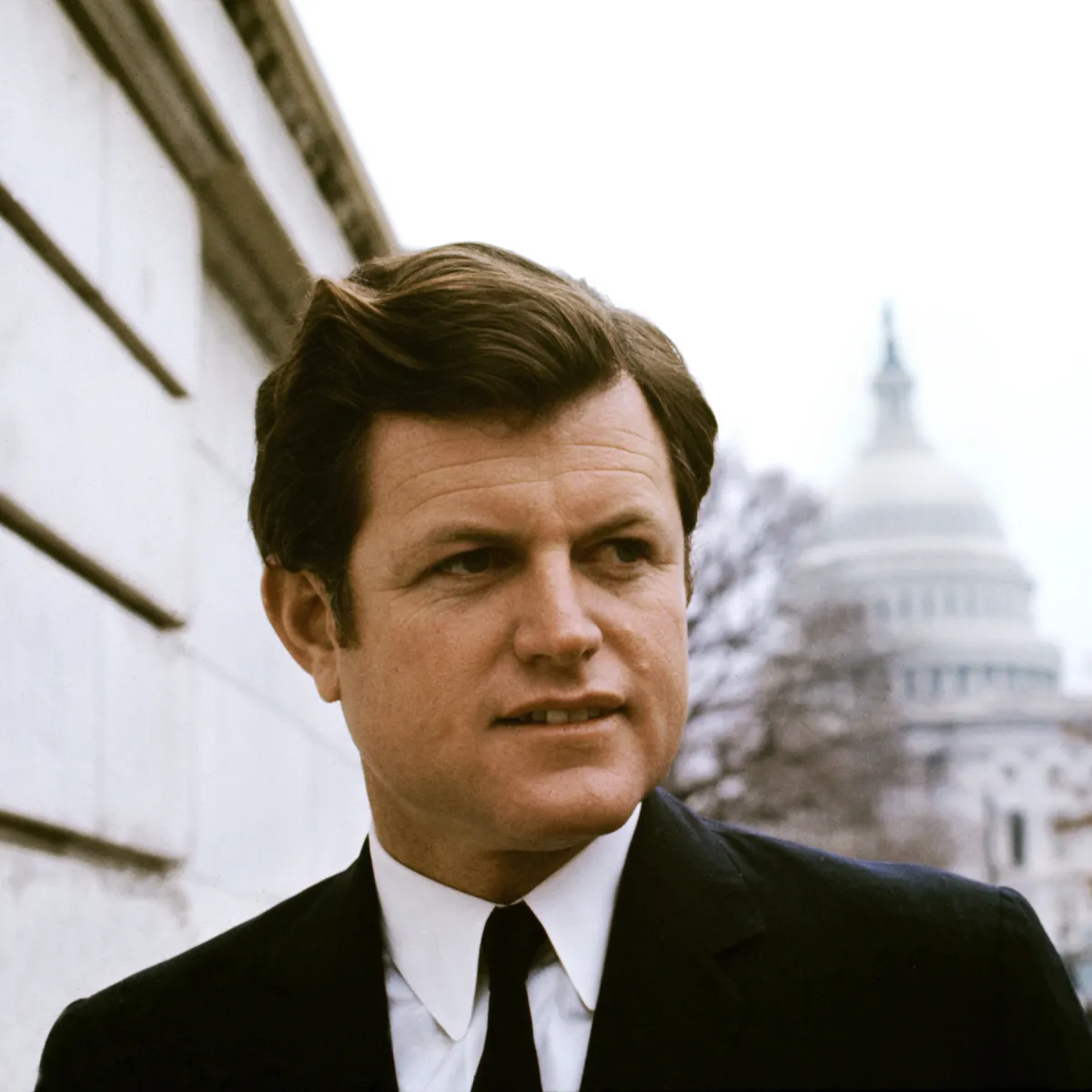 Photo: Ted Kennedy, via static01.nyt.com
CHIP was not a consolation prize. It was a strategic advance on a longer front. By establishing the principle that the federal government had an affirmative obligation to ensure children's access to healthcare, Clinton and her allies shifted the baseline of political possibility. When the ACA debate opened in 2009, CHIP's existence made universal coverage feel less radical and more like the logical completion of a project already underway.
Policy Language as Political Infrastructure
Perhaps the most underappreciated legacy of Clinton's 1993–1994 effort is linguistic and conceptual. The vocabulary she and her team developed — pre-existing conditions, coverage mandates, insurance market regulation, essential health benefits — entered the permanent lexicon of American healthcare policy. Congressional staffers, health economists, and advocacy organizations spent the decade between the Health Security Act's defeat and the ACA's passage refining these concepts, stress-testing them against political opposition, and identifying the precise formulations that could survive the legislative process.
Senator Kennedy, one of Clinton's most steadfast allies during the Task Force period, later described her 1993 effort as having "educated a generation of policymakers" about the mechanics of healthcare reform. That education was not abstract. It produced a cohort of staff directors, committee counsels, and agency officials who carried the institutional memory of the 1994 fight directly into the rooms where the ACA was written.
The Architect of a Long Game
When Clinton ran for president in 2008, her healthcare proposal once again called for universal coverage, this time through a mandate-based system with regulated exchanges. The proposal she advanced during that primary campaign was, in several respects, more structurally similar to what eventually became the ACA than the plan her primary opponent, Barack Obama, originally proposed. The irony was noted at the time; the significance has only deepened since.
The trajectory from the Health Security Act to CHIP to the ACA is not a story of failure followed by accidental success. It is the story of a sustained, disciplined effort to move a policy agenda through a political system that resists comprehensive change. Clinton understood, perhaps earlier than most, that transformative reform in American healthcare would require not a single decisive victory but a series of advances — each one building the institutional, political, and cultural conditions for the next.
What This Legacy Demands of Us Now
The ACA today faces continued threats from legislative sabotage, legal challenges, and administrative erosion. Millions of Americans remain uninsured or underinsured. The work Clinton began in 1993 is demonstrably unfinished.
But the lesson her healthcare legacy offers is not one of resignation. It is one of strategic persistence. The coalitions she built, the policy frameworks she developed, and the political will she cultivated across two decades demonstrate that progress in American democracy is rarely linear — and that the architects of reform are not always the ones who receive credit when the edifice is finally completed.
Hillary Clinton did not fail at healthcare reform. She launched it.